
How to Prepare for a PRF Treatment, and What Recovery Actually Looks Like
A day by day guide to PRF prep and recovery in Midtown Manhattan
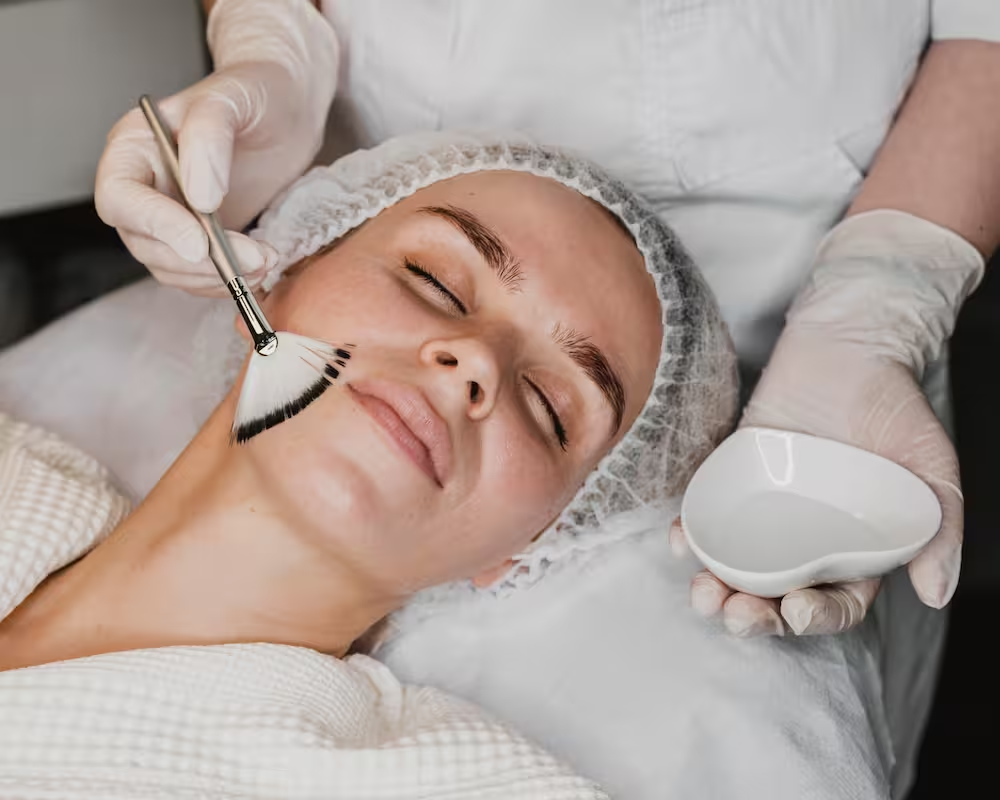
Quick answer: Prepare for PRF by hydrating well for two to three days, eating a real meal beforehand, skipping alcohol for 24 to 48 hours, and reviewing every medication and supplement with your provider. Recovery is short. Mild swelling or bruising is possible for 24 to 72 hours, and most clients return to normal activity the same day.
PRF, or platelet rich fibrin, is a regenerative treatment made from your own blood. At JLoo Beauty Experts in Midtown Manhattan, PRF is performed under the direction of Joanne Loo, MS, AGPCNP-BC, Medical Director and board-certified nurse practitioner, with MD oversight from Dr. Jade Hon, MD. The practice holds a 4.9 star rating across 159 Google reviews, and PRF is one of the treatments clients ask about most before booking.
Because PRF uses your own biology rather than a synthetic product, preparation matters more than it does for many other aesthetic treatments. The quality of the concentrate you get back depends partly on the blood you give. Here is exactly how to prepare, and what the days and months afterward actually look like.
PRF is a concentrate of platelets, white blood cells and fibrin spun down from a small sample of your own blood. The draw is not a preliminary step. It is the treatment, because the material being placed back into your skin comes entirely from that vial.
After the draw, the sample is spun in a centrifuge at a low speed with no additives or anticoagulants. That produces a soft fibrin matrix that holds growth factors and releases them gradually over days rather than all at once. This is one of the key differences between PRF and older platelet preparations, which we break down in detail in our guide to the difference between PRF and PRP.
Because PRF is autologous, meaning it comes from you, no synthetic filler and no foreign material is introduced. It also means your hydration, your recent meals and your platelet levels on the day of the draw influence what the centrifuge can produce.
Hydrate consistently, eat normally, and bring your provider a complete list of your medications and supplements. Those three steps cover most of what actually affects the outcome.
Start increasing water intake two to three days before your appointment rather than drinking a large amount the morning of. Well hydrated blood draws more easily, which makes the vein access faster and more comfortable. Dehydration is the single most common reason a draw takes longer than it should.
Keep eating regular, balanced meals. Iron rich foods, adequate protein and a steady sleep schedule all support the quality of the sample. There is no need for a special diet or a cleanse, and restricting food before a blood draw tends to make the appointment harder, not better.
This is also the week to plan your calendar. If you have a wedding or a photo shoot, schedule PRF at least two weeks earlier so any short-lived swelling has fully resolved.
A normal cup of coffee is generally fine, but pair it with water and food. Caffeine on an empty stomach, with no hydration, is a common reason people feel lightheaded during a blood draw.
The concern with caffeine is not the PRF itself. It is that coffee is mildly dehydrating and often replaces breakfast. If you usually have one cup in the morning, have it, then drink a glass or two of water and eat a real meal with protein before you come in. If you normally drink several cups, consider scaling back on the day of your appointment.
Never stop a prescribed medication on your own. Bring your full list to your consultation and let the JLoo clinical team and your prescribing physician decide together what, if anything, should change.
Blood-thinning medications and certain supplements, including fish oil, high-dose vitamin E, ginkgo and some anti-inflammatories, can increase the likelihood of bruising at the injection or draw site. That is worth discussing, but it is a conversation to have with a clinician who knows your full medical history, not a decision to make from a blog post. Many clients proceed with PRF without changing anything at all.
Joanne Loo, MS, AGPCNP-BC reviews this at consultation for every PRF client. If something does need to be adjusted, the instruction will come from your provider with a specific timeline, and your prescribing physician stays in the loop.
Expect a straightforward visit: intake and photos, a blood draw, a short spin in the centrifuge, numbing where appropriate, then application or injection. Most PRF appointments run comfortably within a standard office visit.
Arrive hydrated and fed. Come with clean skin if you can, or plan to have makeup removed at the clinic. Wear something comfortable with sleeves that push up easily for the draw.
While your sample is spinning, your provider will confirm the treatment plan and the areas being addressed. For the under eye area, this is usually PRF EzGel for the under eyes, which is a heat-processed form of PRF used to add subtle support and improve skin quality in a notoriously delicate area. For overall texture, tone and acne scarring, it is more often PRF with microneedling, where the concentrate is driven into channels created across the treatment area.
Plan to arrive at 505 8th Ave, Suite 23-03 with a little time to spare. The office sits near Penn Station and Hudson Yards, so most clients arrive by train and walk over.
This is the window where any visible response happens. Mild swelling or bruising is possible for 24 to 72 hours, and most clients return to normal activity the same day.
Immediately after treatment, skin often looks flushed or pink, similar to a mild sunburn, especially after microneedling. Injected areas may feel slightly firm or puffy. This is expected. It reflects fluid volume and the body's early healing response, not the final result.
Keep the area clean and leave it alone. Sleep with your head slightly elevated for the first night or two if you were treated around the eyes, since gravity does a surprising amount of work on morning puffiness. Cool compresses applied gently, without pressure, are usually enough for comfort.
Avoid active skincare during this window: no retinoids, no exfoliating acids, no scrubs, no harsh cleansers. A bland cleanser, a simple moisturizer and mineral sunscreen are all your skin needs.
Most swelling settles within 24 to 72 hours. The under eye area can hold a little longer than the cheeks or forehead simply because the tissue there is thin and holds fluid more readily.
Swelling typically peaks the morning after treatment, then declines steadily. Salt, alcohol, poor sleep and sleeping flat prolong it. Hydration and elevation shorten it.
Bruising, when it occurs, can take several days to a week to fade fully. It is cosmetic, covers easily once the skin has closed, and resolves on its own. If anything feels out of proportion to what you were told to expect, contact the clinic rather than waiting it out.
After injectable PRF, makeup is usually fine the next day. After PRF with microneedling, wait a full 24 hours minimum, and follow the specific timeline your provider gives you, since it depends on needle depth and how your skin responded.
Microneedling creates temporary channels in the skin, and you do not want pigment, preservatives or a used brush going into them. When you resume, use clean brushes and apply gently rather than buffing.
Mineral sunscreen is the exception. Sun protection should resume as soon as your provider clears it, and it matters more than usual in the weeks after treatment while the skin is remodeling.
Skip strenuous exercise, saunas, steam rooms and hot yoga for about 24 to 48 hours. Walking and light movement are fine right away.
Heat and elevated blood pressure both increase flushing and swelling, and heavy sweating in the first day after microneedling introduces an avoidable infection risk while the skin barrier is still closing.
Alcohol deserves the same treatment. Skip it for 24 to 48 hours before and after. It dehydrates, dilates blood vessels and reliably makes both bruising and swelling more noticeable.
By roughly day three to five, most visible signs of treatment are gone. Skin often looks smoother and brighter in week one, then quietly gets on with the slower work underneath.
Some clients notice mild flaking after microneedling as the surface turns over. Active ingredients can generally be reintroduced after about a week, but confirm the timing with your provider.
The early brightness people see in the first week is largely hydration and improved circulation. The structural change comes later, which is why PRF is judged over months rather than days.
PRF works by signaling, not by filling. Growth factors released from the fibrin matrix prompt your own fibroblasts to produce new collagen, and that process unfolds over roughly two to three months.
This is the fundamental difference between PRF and a synthetic product, and the reason the results build gradually rather than appearing the day of. We compare the two approaches directly in our article on PRF EzGel versus filler for the under eyes.
Because the change is gradual, take a photo in consistent lighting before your first session. Three months on, comparing photos is far more reliable than comparing memories. Your provider will discuss whether a series makes sense for your goals as part of JLoo's broader approach to regenerative collagen treatments.
JLoo Beauty Experts is located at 505 8th Ave, Suite 23-03, in Midtown Manhattan, a short walk from Penn Station and Hudson Yards. Treatment is directed by Joanne Loo, MS, AGPCNP-BC, Medical Director, with MD oversight from Dr. Jade Hon, MD.
Every PRF plan begins with a consultation, because the right protocol for under eye hollowing is not the same as the right protocol for texture, scarring or overall skin quality. That conversation is also where your medications, supplements and medical history get reviewed properly.
If you are considering PRF and want to know what preparation would look like in your specific case, book a consultation with the JLoo clinical team.
A small sample, comparable to a routine lab draw. Your provider will confirm the exact amount based on the areas being treated and the protocol planned for your session.
Most clients describe it as very manageable. Topical numbing is used where appropriate, and the blood draw itself feels like any standard venipuncture.
Yes, and you should. A balanced meal with protein before your appointment reduces the chance of feeling lightheaded during the draw. There is no fasting requirement.
Most clients return to normal activity the same day. If you are treated around the eyes and have an important meeting, scheduling a day or two of buffer is a reasonable precaution.
Air travel is not restricted, though cabin pressure and dry air can make mild swelling more noticeable. Hydrate well and raise it with your provider if you are flying within a day or two.
No. PRF is made from your own blood and works by stimulating your own collagen. It is not a synthetic filler and it does not act as one.
That depends entirely on your skin, your goals and the area being treated. Your provider will map out a plan at consultation rather than applying a standard number to everyone.
Early brightness and hydration often appear within the first week. The collagen-driven change develops over roughly two to three months, which is when results are best assessed.
Medically reviewed by Joanne Loo, MS, AGPCNP-BC, Medical Director. MD oversight: Dr. Jade Hon, MD. This article is for educational purposes and is not a substitute for a personalized clinical assessment.