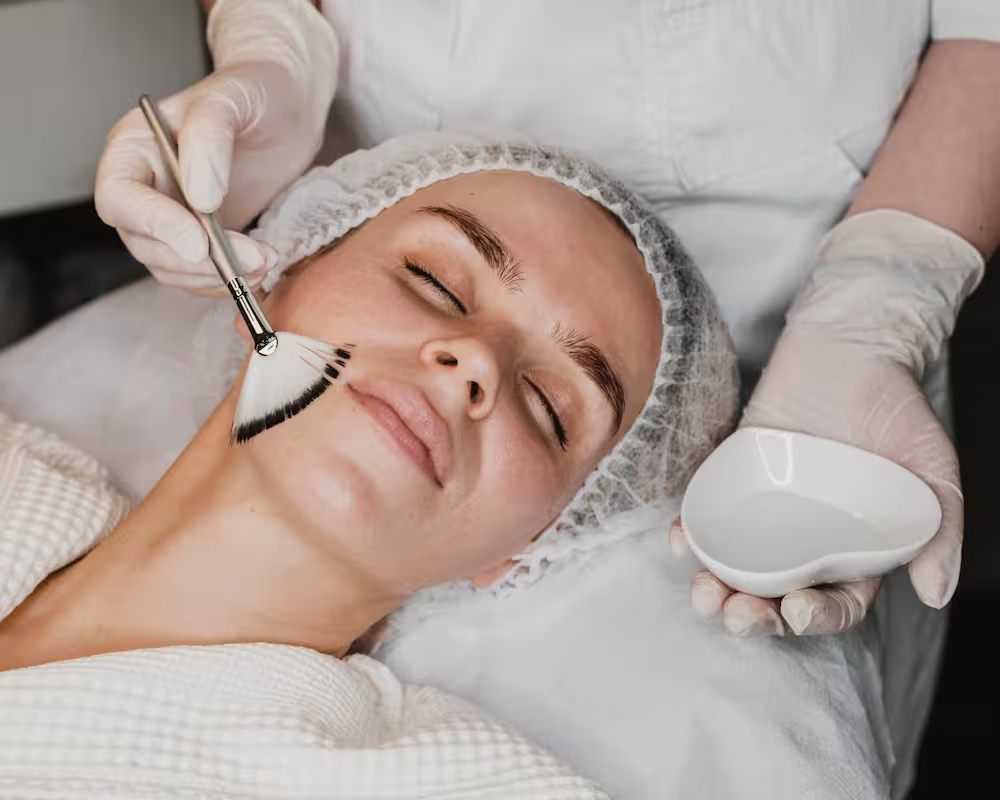
Sep 16, 2026
How to Prepare for a PRF Treatment:
Learn More
PRF prep and recovery in NYC: what to do before and after.

If you’ve started researching injectables, you’ve probably noticed how confusing the terminology can get: Botox, Xeomin, fillers, wrinkle relaxers, facial balancing. You’re not alone. Many first-time clients (and even those who’ve had treatments before) feel unsure about what they actually need or how these options differ.
This guide breaks everything down in clear, practical terms so you can understand what Botox, Xeomin, and dermal fillers do, how they’re different, and how to decide what’s right for your goals, especially if you’re considering injectable treatments in Midtown Manhattan.
Injectables are non-surgical aesthetic treatments designed to soften wrinkles, restore balance, and refresh facial features. Broadly, they fall into two main categories:
They work in very different ways, which is why understanding the distinction matters before booking a consultation.

Botox and Xeomin belong to a group of treatments called neuromodulators (or wrinkle relaxers). They temporarily relax specific facial muscles that cause expression lines.
When injected in precise doses, these treatments soften muscle movement just enough to smooth lines without freezing your face. The goal is controlled relaxation, not loss of expression.
Botox and Xeomin are both FDA-approved neuromodulators used to relax facial muscles and soften dynamic wrinkles. Botox is the most widely used brand, with decades of clinical data and a long safety record.
Xeomin is often called a “naked” injectable because it contains only the active botulinum toxin, without accessory proteins. For some clients, this can reduce the chance of developing resistance over time.
In real-world results, both work similarly and typically last 3–4 months. The best option isn’t about branding, it’s about how your facial muscles respond. Experienced injectors choose based on anatomy, movement patterns, and prior treatment history, not marketing.
Dermal fillers are used to restore or enhance volume, not relax muscles. Most modern fillers are made from hyaluronic acid, a substance naturally found in the skin.
Fillers are not meant to treat expression wrinkles caused by muscle movement, that’s where Botox or Xeomin comes in.
Botox
Xeomin
Dermal Fillers
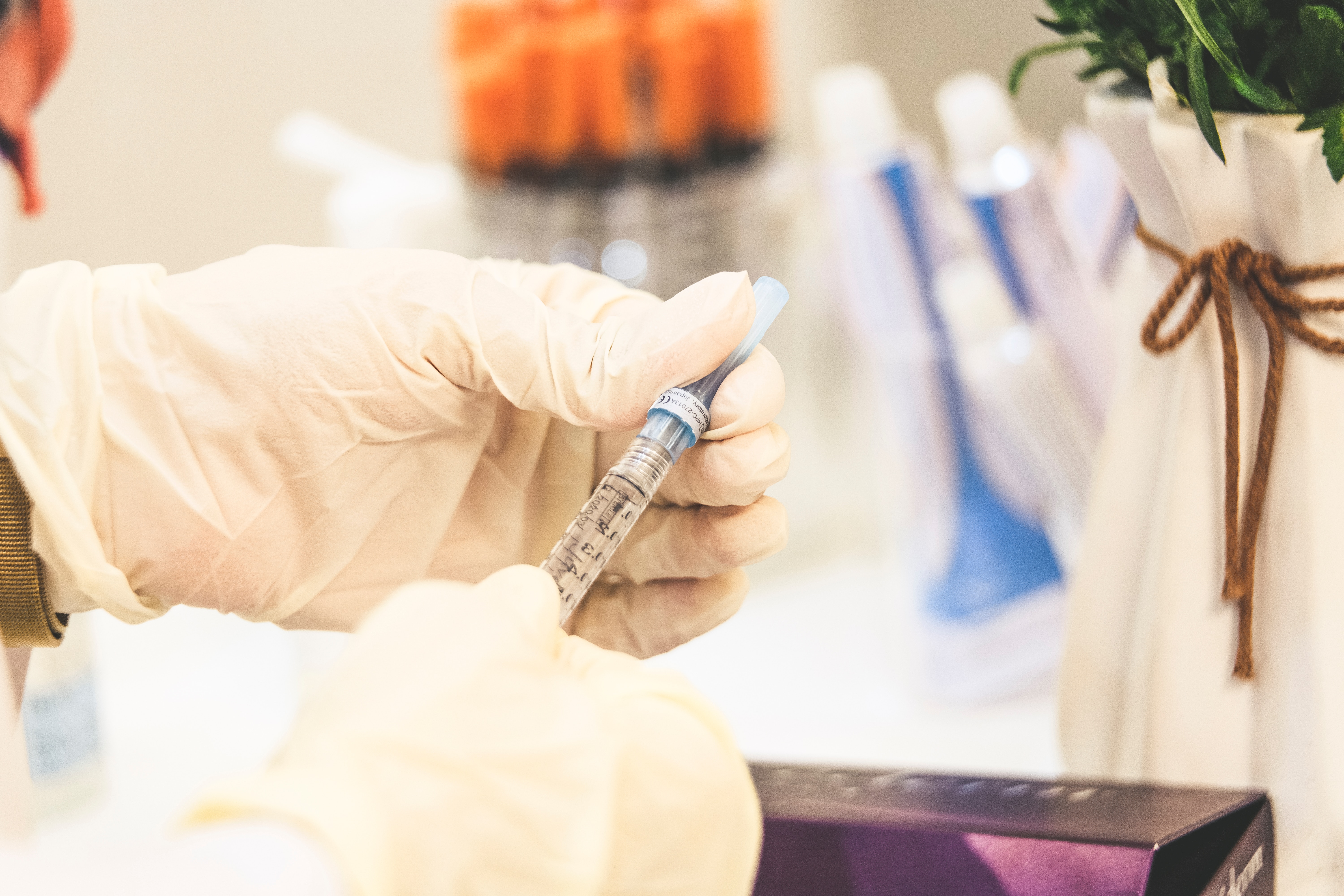
Here’s a simple way to think about it:
Most clients benefit from a custom plan, not a single treatment. That’s why starting with a personalized injectables consultation in Midtown Manhattan is often the smartest first step.
In a city like New York, injectable options are everywhere, but outcomes depend heavily on training, facial anatomy knowledge, and restraint.
A proper consultation includes:
This is particularly important for clients who want natural results that age well over time.
At JLoo Beauty Experts, injectables are approached as medical aesthetics, not quick cosmetic fixes.
Clients choose the Midtown Manhattan location for:
Every injectable plan starts with a consultation, whether you’re new to Botox or refining an existing routine.
Can Botox and fillers be done together?
Yes. Many clients combine them for balanced, natural-looking results.
Will I look frozen or overdone?
When dosed properly, no. The goal is softening, not stiffness.
Is there downtime?
Most clients return to normal activities the same day, with minor precautions.
How often will I need treatments?
Wrinkle relaxers every 3–4 months; fillers typically once a year or less.
Are injectables safe long-term?
When administered by licensed medical providers, they have a strong safety profile.
If you’re considering injectables and want guidance tailored to your face, not a one-size-fits-all approach, a consultation is the best place to start.
For clients looking for Botox, Xeomin, or fillers in Midtown Manhattan, JLoo Beauty Experts offers medically guided care in a convenient, central location.
Book a consultation to explore your options with confidence.
PRF prep and recovery in NYC: what to do before and after.